
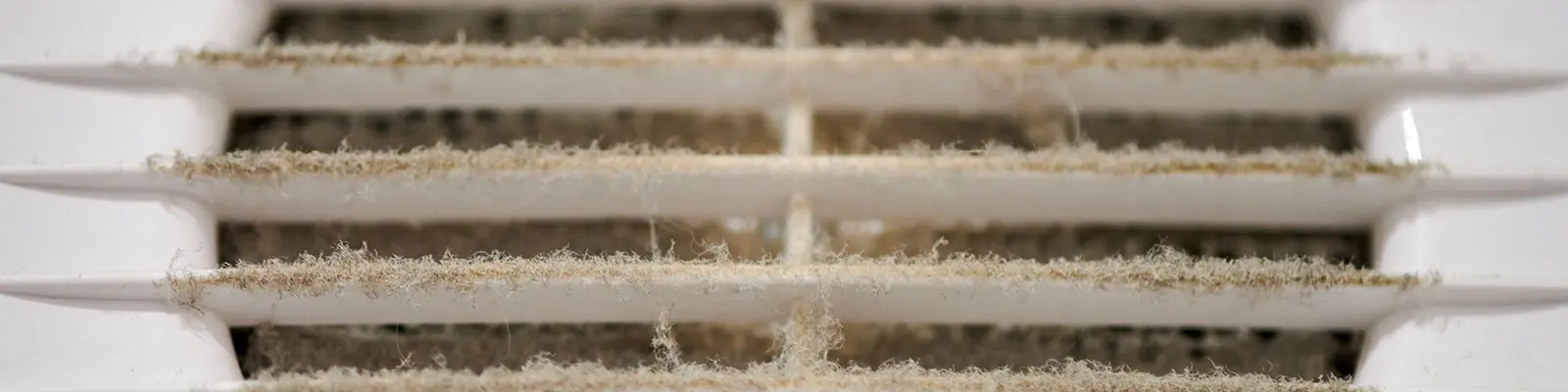
Englewood homeowners are no strangers to high heat and humidity. Warm temperatures combined with Gulf Coast moisture can create ideal conditions for mold growth inside HVAC systems. At Abel Air & Heat, we help local homeowners understand how mold forms in air conditioning systems and what steps can be taken to prevent it before it affects indoor air quality.
How Mold Develops Inside Your HVAC System
Your air conditioner plays an important role in both cooling your home and removing excess moisture from the air. Inside the system, the evaporator coil cools warm indoor air and pulls humidity from it. As air passes over the cold coil, condensation forms and flows into the drain pan, then exits your home through the condensate drain line.
If moisture is not draining properly or humidity levels remain high, mold can begin to grow inside the system.
Common Causes of HVAC Mold in Englewood Homes
Clogged Drain Pan or Condensate Line
Florida’s year-round AC use can cause dust, algae, and debris to build up in the drain line. When the line becomes clogged, water can back up and sit inside the system, creating the damp conditions mold needs to grow and spread to internal components.
Leaky Air Ducts
Many homes in Englewood have ductwork running through hot attics or crawl spaces. Leaky ducts allow humid air, dust, and mold spores to enter the system, which can lead to mold growth inside the ductwork and circulate throughout the home.
Dirty or Damp Air Filters
Air filters capture dust, pollen, pet dander, and mold spores. When filters are not changed regularly, they can trap moisture and allow mold to grow. This mold can then spread through the HVAC system and into your living space. Filters should be replaced every 30 to 90 days, depending on the filter type.
Improperly Sized Air Conditioning Systems
An oversized AC unit may cool your home quickly but fail to remove enough humidity. In Englewood’s humid climate, excess indoor moisture can quickly lead to mold problems. Proper AC sizing is critical for both comfort and humidity control.
Signs of Mold in Your HVAC System
- Musty or mildew-like odors coming from vents
- Visible mold on registers, return vents, or ductwork
- Increased allergy or respiratory symptoms inside the home
If you notice musty smells or visible mold, it is important to have your system inspected by an HVAC professional. Allergy symptoms may also be caused by pollen or dirty filters, so identifying the source is key.
How Englewood Homeowners Can Prevent HVAC Mold
Control Indoor Humidity
Mold thrives when indoor humidity reaches 60 percent or higher. The EPA recommends keeping humidity levels between 30 and 50 percent. In coastal Florida, this often requires consistent AC use, bathroom exhaust fans, and in some cases a whole-home dehumidifier.
Schedule Regular HVAC Maintenance
Annual AC maintenance is especially important in Englewood, where systems run most of the year. Routine service includes cleaning the evaporator coil, inspecting the drain pan and condensate line, and checking for moisture issues that can lead to mold.
Seal Leaky Ductwork
Sealing or repairing damaged ductwork helps keep humid attic air out of your HVAC system. Professional airflow testing and duct inspections can identify leaks before they cause mold problems.
Consider UV Light Systems
HVAC UV light systems can help inhibit mold growth on the evaporator coil and other internal components. These systems are often recommended for Florida homes with ongoing humidity concerns.
What to Do If You Suspect Mold in Your HVAC System
If you believe there may be mold in your air conditioning system, contact a licensed HVAC professional for an inspection. Some situations may require duct cleaning or coordination with a mold remediation specialist, especially if visible mold is present.
According to industry guidance, duct cleaning may be warranted when mold, heavy dust buildup, or blockages are found. Proper cleaning should address the entire HVAC system, not just the ductwork. Addressing the underlying moisture problem is essential, or mold is likely to return.